 Skip to content
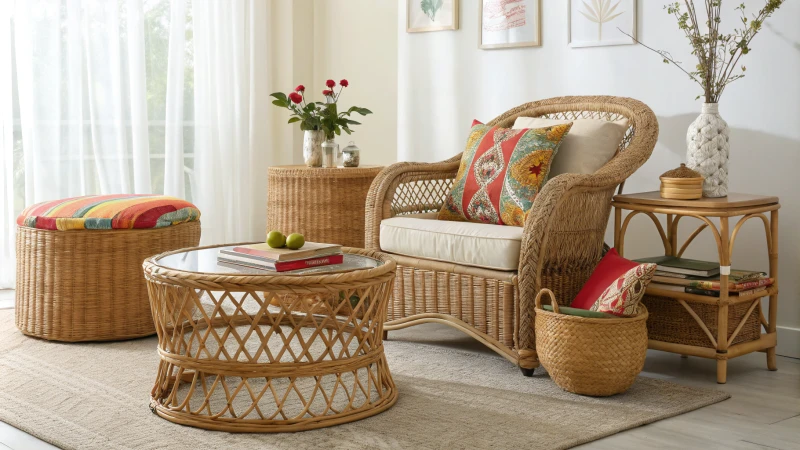
Do you often get confused by the words wicker, rattan and cane? Trust me, I have felt the same! Let’s solve this together.
Wicker uses a weaving method to craft furniture and decorations. Rattan is a special vine used in wicker weaving. Cane comes from rattan and has different uses. Each material has unique features. These features affect how long items last and how they look. Maintenance also depends on the material.
I remember when I started exploring natural materials for home décor. The warmth of rattan attracted me, but I felt confused by all the terms. Wicker is the weaving method used to create beautiful pieces. Rattan is the strong vine that forms the backbone of these creations. Cane comes from rattan and gives a special touch to many items. Each material has its unique charm and usefulness. They affect everything from looks to care. I am really eager to discover how these materials transform spaces!
Wicker is a weaving technique, not a material.True
Wicker refers to the method of weaving, while rattan and cane are materials used in this technique.
Cane is a type of rattan.False
Cane is derived from rattan, making it a specific form of this vine used in furniture.
What is Wicker and How is it Made?
Do you ever admire the beauty of wicker furniture and think about its history? Follow me! I explore the art of wicker weaving. This craft turns natural materials into beautiful works.
Wicker uses a weaving method. People typically use natural materials like rattan and willow. These materials create lightweight but strong products. The crafting process starts with selecting the materials. Next, they prepare and weave them. Finally, artisans finish these materials. The result is often beautiful furniture and decor.
Understanding Wicker: A Definition
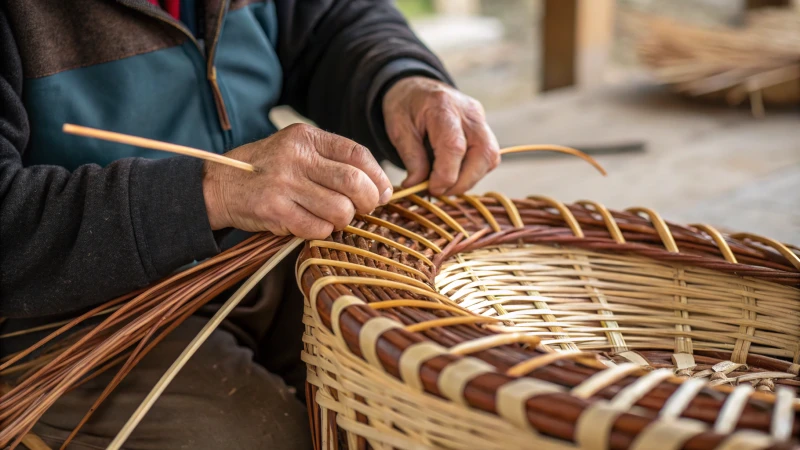
Wicker involves both nature and art. It is not just a method. When I first found wicker, it felt like finding hidden treasures. I was captivated by how this weaving style uses materials like rattan and willow. These materials create pieces that are light and very strong. I feel deep respect for the artisans who work with this craft.
To me, wicker is a blend of function and beauty. Wicker means weaving plant materials like rattan, willow or reed into flexible designs. When I learned that "wicker" refers to the weaving process, not the material, it changed my view of this art. Wicker products are flexible and charming. They are a beloved choice in home décor. I understand why!
Curious people can learn about wicker’s history. Exploring wicker history1 reveals its evolution and cultural significance.
The Crafting Process of Wicker
Crafting wicker involves key steps that show artisans’ dedication:
| Step | Description |
|---|---|
| Material Selection | Picking the right materials is important. Rattan, reed and willow are popular for strength and flexibility. |
| Preparation | Here, the magic starts! Soaking materials in water makes them soft. I enjoy imagining them softening and getting ready for weaving. |
| Weaving | Creativity shines here! Artisans weave materials into intricate shapes. Watching this process can be mesmerizing. |
| Finishing | After weaving, items might get treatments for durability. These touches protect the pieces and really elevate their beauty. |
Eco-friendly enthusiasts might appreciate this guide2 on sustainable sourcing.
Comparisons with Other Materials
When considering wicker for my home, comparing it to other materials like rattan and bamboo seemed helpful. Rattan stands out for its unique features:
- Durability: Rattan is strong. It withstands wear beautifully.
- Versatility: It shapes into various forms, suiting different furniture styles.
- Aesthetic: Rattan’s natural look adds warmth to spaces, which I always desire in décor.
Exploring material comparisons3 offers more insight into these materials.
Applications of Wicker Products
Wicker suits more than furniture; its versatility is really impressive! Here are uses that I have found:
- Furniture: Wicker chairs, tables and sofas transform spaces into inviting areas.
- Decorative Items: Baskets to wall art, wicker adds a cozy feel that resembles home.
- Storage Solutions: Wicker storage baskets are practical and stylish. They organize clutter while adding charm.
Every use showcases wicker’s functional beauty. Designers and eco-conscious consumers probably love it. Seek inspiration with wicker design inspirations4.
I hope learning about wicker has sparked your interest! Whether you include it in your space or admire its artistry, remember there is a whole world in each woven piece.
Wicker refers to a weaving technique, not the material itself.True
Wicker is the process of weaving materials like rattan, not the actual substance used.
Rattan is the only material used in wicker weaving.False
While rattan is commonly used, wicker can also be made from willow and reed.
What makes Rattan such a Special Material?
Rattan is a material that enters many areas of design and production. What gives it such appeal? Let’s discover its special qualities together!
Rattan has special qualities like flexibility, lightweight strength and resistance to the environment. It suits furniture and decor very well. These features help people choose the right rattan items. Rattan combines function with style.
Physical Properties of Rattan
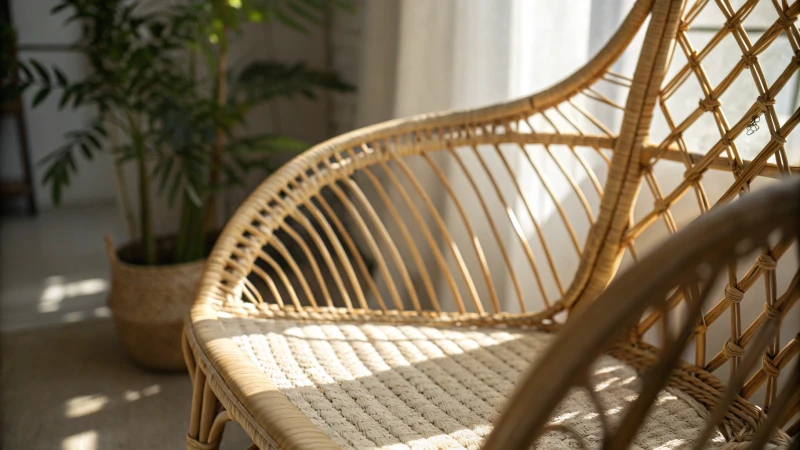
Rattan is not just any material; it is a climbing palm with surprising flexibility and strength. Imagine watching a craftsman create a detailed rattan chair in front of you. The way he bends the rattan without snapping it feels magical. It really does.
Key Physical Properties:
| Property | Description |
|---|---|
| Flexibility | Rattan can bend and shape without breaking, ideal for intricate designs. |
| Weight | It is lightweight yet strong, making it easy to handle and transport. |
| Durability | Resistant to wear and tear, rattan can last for years if cared for properly. |
These features make rattan a very good choice for furniture indoors and outdoors. If you want to create a nice outdoor space with rattan, explore outdoor rattan furniture5. It truly changes any space to feel inviting!
Rattan is a climbing palm known for its flexibility.True
Rattan's climbing nature provides it with the flexibility necessary for intricate designs, making it a popular choice in furniture.
Rattan is resistant to mold and mildew in humid climates.True
Due to its natural composition, rattan exhibits resistance to mold and mildew, making it suitable for use in humid environments.
How Does Cane Compare to Rattan and Wicker?
Do you sometimes look at furniture labels and wonder about cane, rattan or wicker? I have done that too! Let us explore these materials together. They present unique and charming options for decorating your home.
Cane comes from the outside layer of the rattan plant. People use it for weaving. Rattan is the full stem of the plant. It is used to craft furniture. Wicker is a special way to weave these materials. Understanding these differences really helps you pick what suits your decor best.
Understanding Cane, Rattan, and Wicker
Join me on a journey to discover cane, rattan, and wicker. These three words often confuse many people in the world of furniture and decor. Each one has its own story and special features that shape your design choices.
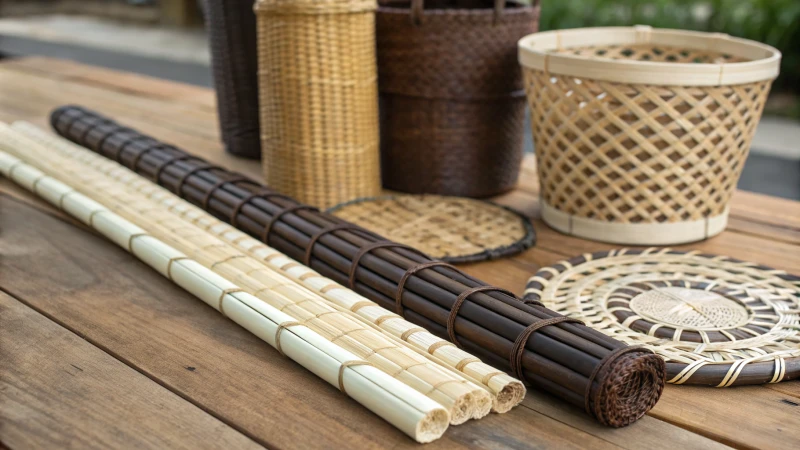
Cane refers specifically to the outer layer of the rattan plant. It is truly captivating. I first touched cane in a store and its silky feel surprised me! This material is strong and bends easily. It usually forms the backs and seats of chairs. Its strength is evident in daily use. Cane is a practical choice.
Rattan, on the other hand, represents the whole plant structure. Think of it as the core of the rattan plant. I have seen rattan furniture that demands admiration. It is light but very strong. During a summer gathering, I sat on a rattan chair and felt amazed by its comfort and sturdiness. Rattan excels in outdoor settings; it withstands weather while retaining its charm.
Wicker is not a material but rather a weaving technique using cane, rattan or materials like willow and bamboo. I adore how wicker displays intricate designs. I saw a beautifully woven wicker basket at a market; its craftsmanship captivated me, bringing warmth to my home.
Comparison Table of Cane, Rattan, and Wicker
| Feature | Cane | Rattan | Wicker |
|---|---|---|---|
| Type | Material (outer skin) | Material (whole stem) | Weaving technique |
| Durability | High | Very high | Depends on material used |
| Flexibility | Moderate | High | Varies |
| Usage | Furniture, decor items | Furniture, baskets, etc. | Furniture, baskets |
| Eco-friendliness | Yes | Yes | Depends on materials |
Characteristics of Each Material
-
Cane: Smooth and elegant; cane adds charm while remaining strong throughout daily use. Its natural color warms any room.
For more insights on cane’s applications, check out cane uses in furniture6. -
Rattan: Its adaptability is remarkable! Shapes beautifully and withstands outdoor use; it balances elegance and practicality seamlessly.
Discover more about rattan’s benefits7 in home decor. -
Wicker: Special with unique patterns; it stands out! Although made from different materials, using rattan or cane makes it stronger.
Explore the art of wicker weaving8 for deeper insights into its craftsmanship.
Conclusion on Choosing Between Cane, Rattan, and Wicker
For your home, consider what matters most – strength, beauty or practicality. Recognize the strengths of each to design a space reflecting your style and needs. Trust me; once you explore, you will find the perfect piece!
Cane is derived from the outer skin of the rattan plant.True
This claim is true as cane specifically refers to the outer layer of the rattan plant, used in weaving.
Wicker is a type of material used in furniture making.False
This claim is false because wicker is a weaving technique, not a material itself.
How Do You Choose the Right Material for Your Home Décor?
Finding the best materials for your home might seem like a huge challenge. It is also a wonderful chance to show your personality. So, how do you explore these choices?
Choose materials for home décor by thinking about how long they last, how easy they are to clean and how they look. Wood, fabric, metal and rattan are popular. Wood feels warm and natural. Fabric adds softness and color. Metal provides a sleek look. Rattan gives a casual and airy feel. Each material brings something unique to your space. Each tells a story.
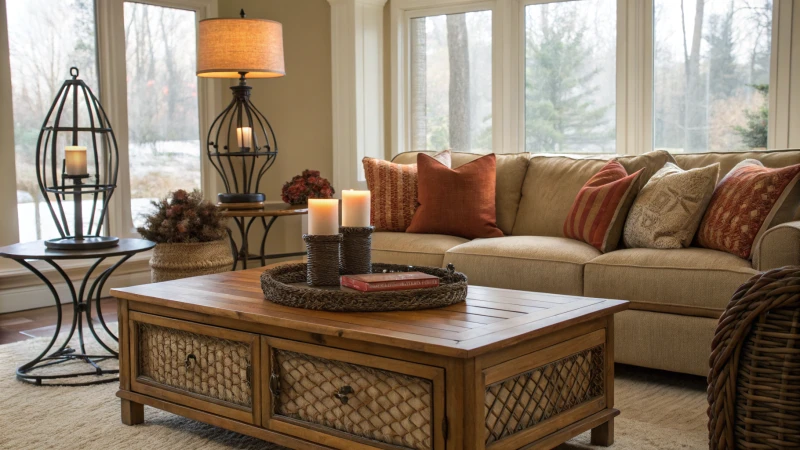
Selecting the Right Materials
Selecting the right materials is often a personal journey. They show not only your style but also your values. When I redecorated my living room, I spent a lot of time exploring shops and online stores. I was searching for pieces that resonated with me. Each material tells its own story. Learning these stories helped me create a space that really felt like home. Let’s explore some popular materials. These materials can probably transform your space!
Understanding Your Material Options
When it comes to selecting materials for your home décor, the choices can be overwhelming. Different materials bring unique aesthetics, durability, and functionality to your space. Here’s a closer look at some popular materials:
-
Wood: Timeless and versatile, wood adds warmth and character to any room. It’s available in various types such as oak, maple, and walnut, each offering distinct grains and colors.
- Pros: Durable, easy to work with, and can be refinished.
- Cons: Can warp or crack with humidity changes.
-
Fabric: Essential for upholstery, curtains, and decorative pillows, fabric comes in countless styles and textures.
- Common fabrics include cotton, linen, and polyester.
- Pros: Available in various patterns; adds softness.
- Cons: Can stain easily and may require regular cleaning.
-
Metal: Often used for furniture frames, lighting fixtures, and accents, metal brings a modern edge to décor.
- Steel, brass, and aluminum are popular choices.
- Pros: Highly durable; easy to clean.
- Cons: Can be cold or uninviting without other soft materials.
-
Rattan: A fantastic choice for sustainable living spaces; rattan is lightweight and durable while providing a natural aesthetic.
- Pros: Eco-friendly; versatile in design.
- Cons: Can fade in direct sunlight.
Considerations for Choosing Materials
Selecting the right material goes beyond personal preference; it involves considering functionality and the overall theme of your space.
- Durability: How much wear and tear will the material endure? High-traffic areas may require more robust options like leather or synthetic fabrics.
- Maintenance: Some materials require more upkeep than others. For instance, natural fabrics may need frequent cleaning compared to synthetic options that resist stains better.
- Aesthetic Appeal: Choose materials that complement your existing décor style. Explore trending materials9 that align with contemporary design sensibilities.
Creating a Cohesive Look
Combining different materials can create a harmonious atmosphere in your home. Here’s a quick reference table:
| Material Type | Best Use Cases | Suggested Combinations |
|---|---|---|
| Wood | Furniture, flooring | Pair with textiles or metal accents |
| Fabric | Upholstery, curtains | Combine with wooden or metal frames |
| Metal | Fixtures, furniture frames | Works well with wood and glass elements |
| Rattan | Furniture, decorative items | Ideal with natural fabrics or wood finishes |
Final Thoughts on Material Selection
Choosing the right material is crucial in enhancing your home’s aesthetic while ensuring longevity and ease of maintenance. As you plan your home décor project, consider not only how each material looks but also how it feels and functions in your space. For those seeking inspiration and advice on how to choose the best materials for their needs, check out our resources. Explore how different combinations can transform your living space into a beautiful and functional environment.
Wood is the most durable material for home décor.False
While wood is durable, it can warp or crack with humidity changes, making it not the most durable option overall.
Rattan is an eco-friendly choice for sustainable living spaces.True
Rattan is lightweight, durable, and recognized for its sustainability, making it a great eco-friendly décor option.
Conclusion
Explore the differences between wicker, rattan, and cane—understanding their unique properties can enhance your home décor choices.
-
Clicking this link provides a deeper understanding of wicker’s historical context, enriching your knowledge about its cultural significance. ↩
-
This guide will help you understand sustainable practices in sourcing materials for wicker products, ensuring eco-friendly choices in your design. ↩
-
Explore the differences between wicker, rattan, and bamboo to make informed choices for your home decor. ↩
-
This resource showcases various applications of wicker in home decor, providing inspiration for your next project. ↩
-
Explore how rattan performs in outdoor settings and why it’s a great option for patio furniture. This insight will aid your purchasing decisions. ↩
-
This link will guide you through the uses of cane in modern furniture design and enhance your understanding of its application. ↩
-
Gain insights into the benefits of using rattan in home decor from experts in sustainable design. ↩
-
Learn about the intricacies of wicker weaving and how it influences furniture design. ↩
-
Discovering the best materials for home décor can elevate your design project significantly. ↩

