 Skip to content
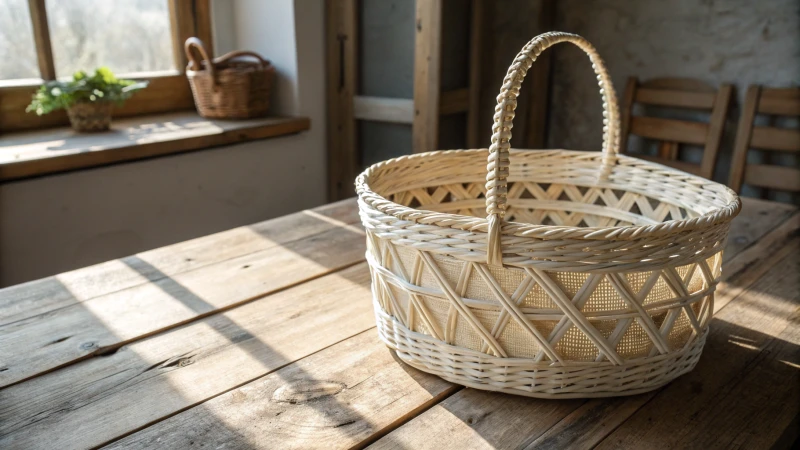
Have you ever thought about bringing new energy to your dark wicker baskets? I’ve done it before and it’s a real transformation! Let’s explore some wonderful bleaching methods. These methods turn your baskets into beautiful decor pieces. You will really love them!
To lighten dark wicker or cane baskets, choose a good bleach solution. Use diluted hydrogen peroxide or a vinegar-water blend. Test a small area first to see the reaction. Follow safety rules to keep your baskets and yourself safe. Learn step-by-step methods and important safety tips. Discover different options to achieve a lovely finish for your wicker items.
The first time I had dark wicker baskets, I dreamed they would brighten my home. One day, I decided to bleach them. Choosing the correct solution is essential. Diluted hydrogen peroxide worked really well for me. Always test on a small part first! Protect yourself by wearing gloves. Work in a place with fresh air. This is important for safety while you change your decor.
Diluted hydrogen peroxide is a safe bleaching option.True
Diluted hydrogen peroxide effectively bleaches wicker while being safer than traditional bleach solutions, making it a suitable choice for home use.
Vinegar-water mix cannot bleach dark wicker baskets.False
A vinegar-water mix can lighten dark wicker, providing an alternative to harsher chemicals, thus it's effective for bleaching.
What Materials Do I Need for Bleaching Wicker?
Do you want your wicker furniture to look fresh and colorful? The first time I tried this project, it felt like a fun challenge. Using the right materials truly helped a lot!
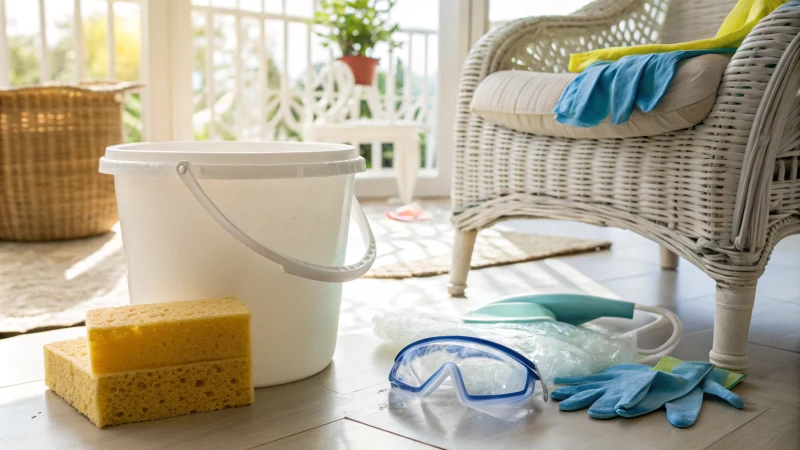
To bleach wicker easily, collect these items꞉ chlorine or oxygen bleach, water, a bucket, gloves, a sponge or brush, a measuring cup and safety goggles. People need to prepare carefully. Safety steps help achieve good bleaching results. These precautions protect the wicker from damage.
Essential Materials for Bleaching Wicker
When I decided to refresh my own wicker items, I quickly found that having the right materials is very important. Here’s what you should gather:
-
Bleach: This is the main player! I’ve used standard chlorine bleach and oxygen bleach. Chlorine works faster, but I prefer oxygen bleach as it is gentler on the fibers.
-
Water: Do not forget this! You need plenty of water to mix with the bleach and rinse the wicker later.
-
Bucket: A sturdy bucket helps in mixing your bleach solution. I usually use a large plastic one that is easy to handle.
-
Gloves: Your hands will be happy! Rubber gloves protect your skin from harsh chemicals.
-
Sponge or Brush: Use a soft sponge or a stiff-bristled brush to apply the solution evenly on detailed wicker.
-
Measuring Cup: Precision is really important; measuring helps get the dilution right!
-
Safety Goggles: Keep your eyes safe while you work, as bleach can splash unexpectedly. Safety first!
Steps to Prepare Your Bleaching Solution
Now that you have everything, here’s how you prepare the bleach solution:
-
Dilution Ratio: Mix 1 part bleach to 10 parts water for a standard solution. For oxygen bleach, follow the instructions on the package – super easy!
-
Mixing: Combine the bleach and water in your bucket, stirring gently to avoid creating many fumes. Use that measuring cup for accuracy!
-
Testing: This step saved my wicker! Always test the solution on a small, hidden area before treating everything to check that it won’t damage the material.
Safety Precautions
Safety is extremely important when working with bleach:
- Ventilation: Work in a space with good air circulation; bleach fumes are strong.
- Protective Gear: Never skip the gloves and goggles!
- Proper Disposal: Dispose of leftover bleach solution responsibly according to local regulations to reduce environmental impact.
For more information on the bleaching process, including tips on maintaining your items after achieving that pristine look, check out our guide on the bleaching process1. It’s full of insights that really helped me!
Chlorine bleach is harsher than oxygen bleach for wicker.True
Oxygen bleach is gentler on natural fibers, making it safer for wicker.
Safety goggles are unnecessary when bleaching wicker.False
Wearing safety goggles is essential to protect your eyes from bleach splashes.
What Safety Precautions Should You Take When Bleaching?
Bleaching might seem very challenging. However, with proper safety steps, it remains both safe and effective. Let’s explore what is important before beginning!
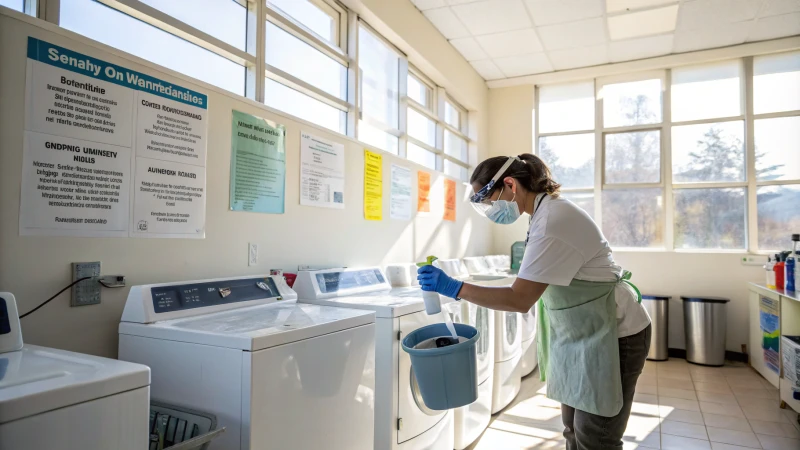
To use bleach safely, always wear protective gear like gloves and masks. Good ventilation is necessary. Mix bleach correctly and store it safely. Know emergency procedures for accidental exposure. Safety is very important!
Understanding the Risks of Bleaching
When I first tried using bleach for cleaning, warnings and stories about its dangers worried me. Many had said it is a risky chemical. But with practice and understanding, I learned to use it safely. Here’s what I found about why being careful with this strong chemical is important.
Bleaching agents, particularly sodium hypochlorite, are common household products that can pose significant risks if not handled properly. Chemical burns, respiratory issues, and skin irritation are just a few potential hazards.
When using bleach for cleaning or disinfecting, it is essential to ensure proper ventilation. Open windows and use fans to circulate air. For more information on bleach toxicity, check out bleach safety guidelines2.
Essential Safety Gear
Before starting any bleaching process, it’s crucial to equip yourself with the right protective gear:
- Gloves: Protect your hands from burns and irritation.
- Mask: A mask can prevent inhalation of fumes.
- Goggles: Protect your eyes from splashes.
| Item | Purpose |
|---|---|
| Rubber Gloves | Prevent skin contact with bleach |
| Face Mask | Protect against harmful fumes |
| Safety Goggles | Shield eyes from potential splashes |
Proper Dilution Practices
Bleach should always be diluted according to instructions. The general guideline is to mix 1 cup of bleach with 1 gallon of water for effective cleaning. Improper dilution can lead to stronger fumes and higher risk of chemical burns.
For detailed dilution ratios, you can refer to bleach dilution standards3.
Storage and Disposal
After using bleach, ensure that it is stored safely out of reach of children and pets. Always label containers clearly to avoid accidental ingestion or misuse. Additionally, never mix bleach with ammonia or other cleaning agents, as this can produce toxic gases.
For safe disposal methods, check out bleach disposal tips4.
Emergency Procedures
In case of accidental exposure, it is vital to know the steps to take:
- Skin Contact: Rinse immediately with water for at least 15 minutes.
- Eye Exposure: Flush eyes with water for 20 minutes and seek medical attention.
- Inhalation: Move to fresh air immediately and seek help if symptoms persist.
For comprehensive emergency responses, consider visiting emergency bleach response5.
By following these safety precautions, you can minimize risks associated with bleaching while ensuring a clean and safe environment.
Bleach can cause chemical burns if not handled properly.True
Improper handling of bleach, such as direct skin contact, can lead to serious chemical burns. Always wear gloves for protection.
Mixing bleach with ammonia is safe for cleaning.False
This claim is false; mixing bleach with ammonia produces toxic gases that can be harmful or fatal. Always avoid this combination.
What Are Some Natural Ways to Lighten Wicker Without Bleach?
Is your wicker furniture looking old and dull? I completely understand! Here are some eco-friendly and natural methods to brighten up your wicker. No need for harsh chemicals like bleach.
Certainly! Wicker lightens without bleach by using lemon juice, vinegar, hydrogen peroxide or baking soda. These natural methods work effectively. They are gentle on materials. They are also environmentally friendly. Perfect for refreshing your home decor!

Natural Alternatives to Lighten Wicker
When it comes to lightening wicker without the use of harsh chemicals like bleach, there are several natural alternatives that can effectively refresh your rattan items. Here are some methods worth considering:
1. Lemon Juice and Sunlight
One of the simplest methods involves using lemon juice combined with sunlight. The acidity of lemon juice acts as a natural bleaching agent. Here’s how to do it:
- Mix equal parts of lemon juice and water in a spray bottle.
- Lightly spray the solution onto the wicker.
- Place the wicker in direct sunlight for a few hours.
This method not only lightens the wicker but also helps eliminate tough stains. It really smells great! For more insights on natural cleaning methods6, check out our detailed guide.
2. Vinegar Solution
White vinegar is another excellent option for lightening wicker. It’s not only safe but also effective at cutting through grime and restoring color. To use vinegar:
- Create a solution of one part vinegar and three parts water.
- Dampen a cloth with the solution and wipe down the wicker.
- Allow it to air dry, ideally in the sun.
Benefits of Using Vinegar:
| Benefits | Description |
|---|---|
| Non-toxic | Safe for both users and the environment |
| Stain removal | Effective in lifting stains from surfaces |
| Odor neutralization | Helps eliminate unpleasant smells |
For more tips, explore our article on eco-friendly cleaning solutions7.
3. Hydrogen Peroxide
While it’s often associated with medical uses, hydrogen peroxide can work wonders on wicker as well. It’s less abrasive than bleach but still effective at lightening:
- Dilute hydrogen peroxide with an equal part of water.
- Apply the solution using a soft brush or cloth, ensuring even coverage.
- Let it sit for about 30 minutes before rinsing with water.
4. Baking Soda Paste
Baking soda is renowned for its cleaning properties. For a lightening effect:
- Make a paste with baking soda and water.
- Apply it to the wicker and let it sit for an hour.
- Rinse off with clean water and dry in sunlight.
This method not only lightens but also cleans the wicker effectively! For more creative ideas on home décor maintenance8, see our resources.
Conclusion: Embrace Natural Solutions
With these natural methods, you can lighten your wicker items without resorting to bleach. Each technique is not only effective but also aligns with eco-friendly practices, ensuring your home remains a safe space for everyone.
Lemon juice can naturally lighten wicker items.True
Lemon juice's acidity acts as a natural bleaching agent when combined with sunlight, effectively lightening wicker without harsh chemicals.
Hydrogen peroxide is harsher than bleach for wicker.False
Hydrogen peroxide is less abrasive than bleach, making it a safer alternative for lightening wicker materials.
How Do You Maintain Wicker After Bleaching?
Bleaching wicker seems like a bold step. Keeping it beautiful afterward is very important too. I have some heartfelt tips to share. These tips help care for your treasured pieces. They remain vibrant and strong with care.
To keep wicker nice after bleaching, use a soft brush to clean it often. Apply a wicker conditioner to moisturize it. Avoid placing the wicker in direct sunlight. Good ventilation helps protect it from moisture. Quickly fix any damage. Use suitable dyes to restore its color when needed.
Caring for Your Wicker After Bleaching
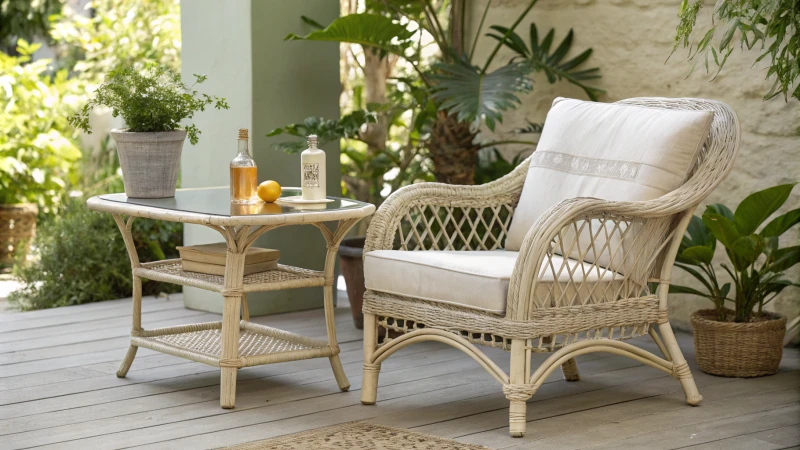
Caring for your wicker after bleaching feels like looking after a dear friend. You want it to sparkle, feel good and stay beautiful for years. Here’s how I keep my wicker furniture looking great since the day I first brought it home.
1. Clean the Wicker Regularly
The first time I bleached my wicker chair, I admired its fresh look. But to maintain that brightness, regular cleaning became important. Dust can sneak in and dull its gleam. I make sure to dust every week.
| Cleaning Method | Frequency | Tools Needed |
|---|---|---|
| Dusting | Weekly | Soft brush, microfiber cloth |
| Deep cleaning | Monthly | Mild soap, water, sponge |
A soft brush or microfiber cloth helps me clean every corner.
2. Moisturize the Wicker
After bleaching, my wicker felt dry. It’s like when I forget to apply lotion on my skin. To restore its glow, I use a wicker conditioner or oil. A simple application with a soft cloth works wonders. It prevents cracks and keeps everything flexible.
3. Avoid Direct Sunlight
The sun can be bad for wicker! After bleaching, my pieces are more vulnerable to UV rays. It’s crucial to avoid placing them in direct sunlight for extended periods. Sometimes, I rearrange the room or use beautiful curtains to filter the bright light.
4. Protect from Moisture
Once, mold ruined my lovely wicker coffee table because I ignored humidity. Now, I place my wicker pieces in airy spots.
If you live in a humid area like I do, silica gel packs help by absorbing extra moisture around the furniture.
5. Repair Minor Damage Promptly
Checking for wear and tear is really important! A small fray once turned into a big problem because I waited too long.
For repairs, you can use a hot glue gun or a wicker repair kit available at craft stores.
6. Restore Color If Necessary
Sometimes, my wicker looks a bit faded after bleaching. When that happens, I consider re-staining it with a suitable wicker dye.
Watching the transformation is really exciting! Remember to test a small area first; I learned this lesson after using a bright green dye by accident!
| Color Restoration Method | Recommended Products |
|---|---|
| Wicker dye | Rattan Color Stain |
| Spray paint (for accents) | Non-toxic spray paints |
By following these steps regularly and incorporating maintenance into your routine, your bleached wicker will continue to tell its wonderful story for years.
Explore more detailed insights in our maintenance tips9. Let’s keep those cherished pieces alive and thriving together!
Regular cleaning prevents dust buildup on bleached wicker.True
Cleaning wicker weekly removes dust and debris, ensuring longevity and appearance after bleaching.
Direct sunlight can damage wicker after bleaching.True
After bleaching, wicker becomes more vulnerable to UV rays, necessitating protection from direct sunlight exposure.
Conclusion
Learn effective methods to bleach dark wicker baskets safely, including natural alternatives, essential materials, and maintenance tips for lasting beauty.
-
Explore this link for expert tips on selecting safe bleaching materials and techniques that yield great results. ↩
-
Explore detailed guidelines on how to handle bleach safely to avoid common hazards. ↩
-
Learn about the proper dilution methods for bleach to ensure safe use. ↩
-
Find out the best practices for storing and disposing of bleach properly. ↩
-
Understand the emergency procedures for bleach exposure to respond effectively. ↩
-
Discover natural alternatives to bleach for lighter wicker that are safe for your home and environment. ↩
-
Learn more about eco-friendly cleaning methods that can help maintain your wicker furniture’s beauty. ↩
-
Find creative home décor maintenance tips that keep your furniture looking fresh and new. ↩
-
Explore expert tips on wicker maintenance that will enhance the longevity and aesthetic appeal of your furniture after bleaching. ↩

